Considerate after-sell services
The aim of our 70-743 PDF study guide with test king is to help users pass their test smoothly and effectively, so all our products are fully guaranteed. You can enter major company and compete with outstanding colleagues, double salary and fulfill your job expectation with our 70-743 PDF study guide. Last but not the least, we secure you private information with all our attention.
Full amount refund if you fail the test with 70-743 PDF study guide by accident
We believe absolutely you can pass the test if you spend about 20 to 30 hours around on 70-743 PDF study guide materials with test king seriously, but even you fail 70-743 test this time by accident, we will return your full amount to you after received your real failure score, or we can provide you other exam versions of test questions freely, all services are for your future, and our 70-743 PDF study guide materials are always here to help you pass surely.
Our products: PDF & Software & APP version
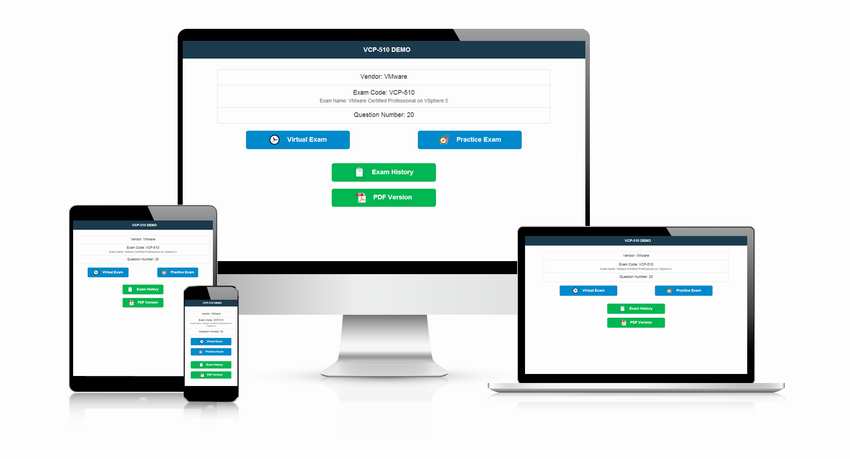
PDF version of 70-743 Test dumps --Concise, legible and easy to operate, support print commands. You can print this information as your wish.
Software version of 70-743 Test dumps --stimulate real testing environment, give your actual experiments. No equipment restrictions of setup process & fit in Windows operation system only.
App online version of 70-743 Test dumps --it is a widely used way for our users for its suitability. No restriction to equipment and support any digital devices even offline usage.
High-quality products make us irreplaceable
Before buying our 70-743 PDF study guide with test king, you can download a free demo experimentally. After purchasing needed materials, you can download full resources instantly and begin your study with 70-743 PDF study guide at any time. We also trace the test results of former customers and get the exciting data that 99% passing rate happened on them. Having any questions or comments about the high quality of 70-743 PDF study guide, just contact with us through Email, we are here waiting for you!
Reliable purchase equipment
Our means of purchase of 70-743 PDF study guide with test king is one of the most large-scale, widely used payment methods, which is safe, efficient and reliable, so do not worry about deceptive behavior in buying our 70-743 PDF study guide. You can place your order relieved, and I assure you that our products worth every penny of it.
70-743 - Upgrading Your Skills to MCSA: Windows Server 2016
The 70-743 exam is part of the Windows Server 2016 core infrastructure services Certification. This exam measures your ability to work with Windows Server 2016.
This certification exam is targeted for professional who perform installation, configuration, general local management and maintenance, storage, and compute functionalities available in Windows Server 2016 as this exam covers key aspects of installation, storage, compute, networking, and identity functionality available in Windows Server 2016. Candidates perform general installation tasks, including installing and configuring Nano Server, as well as creating and managing pre configured images for deployment. This is a list of covered topics:
- Create, manage, and maintain images for deployment
- Implement Storage Spaces Direct
- Configure and installa Federation with Active Directory Federation Services (AD FS)
- Install and configure DNS servers
- Data DeDuplication and Server Storage
- Implement Web Application Proxy (WAP)
- High availability and disaster recovery with Nano Server technologies
- Server installations and Monitoring
- Manage failover clustering and Load Balancing
- Configure and Install Hyper-V and VM
- Deploy and Manage Windows containers
- Monitor and Update Windows 2016 and Nano Server
- Implement virtual private network (VPN) and DirectAccess solutions and Implement high performance network solutions
- Install, upgrade, and migrate servers and workloads
- Configure \ Install Nano Server
Reference: https://www.microsoft.com/en-us/learning/exam-70-743.aspx
One-year-update service freely
Once you choose our 70-743 PDF study guide with test king, we provide one-year updating service of test questions in accordance with the latest test trend, you can save your time of searching them by yourself. Besides, you can enjoy our 50% discount about 70-743 PDF study guide after one year, which is because we always insist on principles of customers' needs go first. Besides, all products have special offers at times.
Our 70-743 exam dumps will include those topics:
- Install Windows Servers in Host and Compute Environments
- Implement Domain Name System (DNS)
- Implement Storage Solutions
- Implement High Availability
- Implement an Advanced Network Infrastructure
- Implement Hyper-V
- Install and Configure Active Directory Domain Services (AD DS)
- Implement identity federation and access solutions
- Implement Windows Containers
- Implement Network Connectivity and Remote Access Solutions
For more info visit: Microsoft Official 70-743 Exam Reference
Dear examinee, as one of the candidates of 70-743 exam, the importance of this test to you is self-evident, it is useful not only to your aim job, but also to your future plans in related careers. Now we offer 70-743 PDF study guide with test king here to help. With the support of a group of Microsoft experts and trainers, we systemized a series of 70-743 PDF study guide for your reference. As long as you log on our website and download our free demo, you can take a quick look of 70-743 PDF study guide materials with test king arranged by professional experts, who keep their minds on latest trend of 70-743 Test dumps. Please keep your attention on some advantages of our products as follows.

Instant Download: Upon successful payment, Our systems will automatically send the product you have purchased to your mailbox by email. (If not received within 12 hours, please contact us. Note: don't forget to check your spam.)
Microsoft 70-743 Exam Syllabus Topics:
| Topic | Details |
|---|
| Implement Hyper-V | Install and configure Hyper-V
-Determine hardware and compatibility requirements for installing Hyper-V; install Hyper-V; install management tools; upgrade from existing versions of Hyper-V; delegate virtual machine management; perform remote management of Hyper-V hosts; using Windows PowerShell Direct; implement nested virtualization Configure virtual machine (VM) settings
-Add or remove memory in a running VM; configure dynamic memory; configure Non-Uniform Memory Access (NUMA) support; configure smart paging; configure Resource Metering; manage Integration Services; create and configure Generation 1 and 2 VMs and determine appropriate usage scenarios; implement enhanced session mode; create Linux and FreeBSD VMs; install and configure Linux Integration Services (LIS); install and configure FreeBSD Integration Services (BIS); implement Secure Boot for Windows and Linux environments; move and convert VMs from previous versions of Hyper-V to Windows Server 2016 Hyper-V; export and import VMs; implement Discrete Device Assignment (DDA), Troubleshoot VM configuration versions Configure Hyper-V storage
-Create VHDs and VHDX files using Hyper-V Manager; create shared VHDX files; configure differencing disks; modify virtual hard disks; configure pass-through disks; resize a virtual hard disk; manage checkpoints; implement production checkpoints; implement a virtual Fibre Channel adapter; configure storage Quality of Service (QoS) Configure Hyper-V networking
-Add and remove virtual network interface cards (vNICs); configure Hyper-V virtual switches; optimize network performance; configure MAC addresses; configure network isolation; configure synthetic and legacy virtual network adapters; configure NIC teaming in VMs; configure virtual machine queue (VMQ); enable Remote Direct Memory Access (RDMA) on network adapters bound to a Hyper-V virtual switch using Switch Embedded Teaming (SET); configure Bandwidth Management |
| Implement High Availability | Implement high availability and disaster recovery options in Hyper-V
-Implement Hyper-V Replica; implement Live Migration including shared nothing Live Migration; configure CredSSP or Kerberos authentication protocol for Live Migration; implement storage migration Implement failover clustering
-Implement Workgroup, Single, and Multi Domain clusters; configure quorum; configure cluster networking; restore single node or cluster configuration; configure cluster storage; implement Cluster-Aware Updating; implement Cluster Operating System Rolling Upgrade; configure and optimize cluster shared volumes (CSVs); configure clusters without network names; implement Scale-Out File Server (SoFS); determine different scenarios for the use of SoFS vs. File Server for general use; determine usage scenarios for implementing guest clustering; implement a Clustered Storage Spaces solution using Shared SAS storage enclosures; implement Storage Replica; implement Cloud Witness; implement VM resiliency; implement shared VHDX as a storage solution for guest clusters Implement Storage Spaces Direct
-Determine scenario requirements for implementing Storage Spaces Direct; enable Storage Spaces Direct using Windows PowerShell; implement a disaggregated Storage Spaces Direct scenario; implement a hyper-converged Storage Spaces Direct scenario Manage failover clustering
-Configure role-specific settings, including continuously available shares; configure VM monitoring; configure failover and preference settings; implement stretch and site-aware failover clusters; enable and configure node fairness Manage VM movement in clustered nodes
-Perform live migration; perform quick migration; perform storage migration; import, export, and copy VMs; configure VM network health protection; configure drain on shutdown |
| Implement an Advanced Network Infrastructure | Implement high performance network solutions
-Implement NIC Teaming or the Switch Embedded Teaming (SET) solution and identify when to use each; enable and configure Receive Side Scaling (RSS); enable and configure network Quality of Service (QoS) with Data Center Bridging (DCB); enable and configure SMB Direct on Remote Direct Memory Access (RDMA) enabled network adapters; configure SMB Multichannel; enable and configure virtual Receive Side Scaling (vRSS) on a Virtual Machine Queue (VMQ) capable network adapter; enable and configure Virtual Machine Multi-Queue (VMMQ); enable and configure Single-Root I/O Virtualization (SR-IOV) on a supported network adapter Determine scenarios and requirements for implementing Software Defined Networking (SDN)
-Determine deployment scenarios and network requirements for deploying SDN; determine requirements and scenarios for implementing Hyper-V Network Virtualization (HNV) using Network Virtualization Generic Route Encapsulation (NVGRE) encapsulation or Virtual Extensible LAN (VXLAN) encapsulation; determine scenarios for implementation of Software Load Balancer (SLB) for North-South and East-West load balancing; determine implementation scenarios for various types of Windows Server Gateways, including L3, GRE, and S2S, and their use; determine requirements and scenarios for Datacenter firewall policies and network security groups |
| Implement Domain Name System (DNS) | Install and configure DNS servers
-Determine DNS installation requirements; determine supported DNS deployment scenarios on Nano Server; install DNS; configure forwarders; configure Root Hints; configure delegation; implement DNS policies; Configure DNS Server settings using Windows PowerShell; configure Domain Name System Security Extensions (DNSSEC); configure DNS Socket Pool; configure cache locking; enable Response Rate Limiting; configure DNS-based Authentication of Named Entities (DANE); configure DNS logging; configure delegated administration; configure recursion settings; implement DNS performance tuning; configure global settings Implement and Maintain IP Address Management (IPAM)
-Provision IPAM manually or by using Group Policy; configure server discovery; create and manage IP blocks and ranges; monitor utilization of IP address space; migrate existing workloads to IPAM; configure IPAM database storage using SQL Server; determine scenarios for using IPAM with System Center Virtual Machine Manager for physical and virtual IP address space management; manage DHCP server properties using IPAM; configure DHCP scopes and options; configure DHCP policies and failover; manage DNS server properties using IPAM; manage DNS zones and records; manage DNS and DHCP servers in multiple Active Directory forests; delegate administration for DNS and DHCP using role-based access control (RBAC); audit the changes performed on the DNS and DHCP servers; audit the IPAM address usage trail; audit DHCP lease events and user logon events |
| Implement Network Connectivity and Remote Access Solutions | Implement virtual private network (VPN) and DirectAccess solutions
-Implement remote access and site-to-site (S2S) VPN solutions using remote access gateway; configure different VPN protocol options; configure authentication options; configure VPN reconnect; create and configure connection profiles; determine when to use remote access VPN and site-to-site VPN and configure appropriate protocols; install and configure DirectAccess; implement server requirements; implement client configuration; troubleshoot DirectAccess |
| Implement identity federation and access solutions | Install and configure Active Directory Federation Services (AD FS)
-Upgrade and migrate previous AD FS workloads to Windows Server 2016; implement claims-based authentication, including Relying Party Trusts; configure authentication policies; configure multi-factor authentication; implement and configure device registration; integrate AD FS with Microsoft Passport; configure for use with Microsoft Azure and Office 365; configure AD FS to enable authentication of users stored in LDAP directories Implement Web Application Proxy (WAP)
-Install and configure WAP; implement WAP in pass-through mode; implement WAP as AD FS proxy; integrate WAP with AD FS; configure AD FS requirements; publish web apps via WAP; publish Remote Desktop Gateway applications; configure HTTP to HTTPS redirects; configure internal and external Fully Qualified Domain Names (FQDNs) |
| Install Windows Servers in Host and Compute Environments | Install, upgrade, and migrate servers and workloads
-Determine Windows Server 2016 installation requirements; determine appropriate Windows Server 2016 editions per workloads; install Windows Server 2016; install Windows Server 2016 features and roles; install and configure Windows Server Core; manage Windows Server Core installations using Windows PowerShell, command line, and remote management capabilities; implement Windows PowerShell Desired State Configuration (DSC) to install and maintain integrity of installed environments; perform upgrades and migrations of servers and core workloads from Windows Server 2008 and Windows Server 2012 to Windows Server 2016; determine the appropriate activation model for server installation, such as Automatic Virtual Machine Activation (AVMA), Key Management Service (KMS), and Active Directory-based Activation Create, manage, and maintain images for deployment
-Plan for Windows Server virtualization; assess virtualization workloads using the Microsoft Assessment and Planning (MAP) Toolkit; determine considerations for deploying workloads into virtualized environments; update images with patches, hotfixes, last cumulative updates and drivers; install roles and features in offline images; manage and maintain Windows Server Core, Nano Server images, and VHDs using Windows PowerShell |
| Implement Storage Solutions | Implement server storage
-Configure storage pools; implement simple, mirror, and parity storage layout options for disks or enclosures; expand storage pools; configure Tiered Storage; configure iSCSI target and initiator; configure iSNS; configure Datacenter Bridging (DCB); configure Multi-Path IO (MPIO); determine usage scenarios for Storage Replica; implement Storage Replica for server-to-server, cluster-to-cluster, and stretch cluster scenarios Implement data deduplication
-Implement and configure Deduplication; determine appropriate usage scenarios for Deduplication; monitor Deduplication; implement a backup and restore solution with Deduplication |
| Implement Windows Containers | Deploy Windows containers
-Determine installation requirements and appropriate scenarios for Windows Containers; install and configure Windows Server container host in physical or virtualized environments; install and configure Windows Server container host; configure Docker start-up options; install a base container image; tag an image; remove a container; create Windows Server containers; create Hyper-V containers Manage Windows containers
-Manage Windows containers by using Docker CLI ; manage container networking; manage container data volumes; manage Resource Control; create new container images using Dockerfile; manage container images using DockerHub repository for public and private scenarios; manage container images using Microsoft Azure |
| Install and Configure Active Directory Domain Services (AD DS) | Install and configure domain controllers
-Install a new forest; add or remove a domain controller from a domain; upgrade a domain controller; install AD DS on a Server Core installation; install a domain controller from Install from Media (IFM); resolve DNS SRV record registration issues; configure a global catalog server; transfer and seize operations master roles; install and configure a read-only domain controller (RODC); configure domain controller cloning |
High level topics covered by our practice test
This Web Simulator is for Candidates with experience in Windows 2016 server envorinement, and candidates should have experience with local and server storage solutions including the configuration of disks and volumes, Data Deduplication, High Availability, Disaster Recovery, Storage Spaces Direct, and Failover Clustering solutions with Hyper-V and Nano Server technologies. The candidates should also be familiar with managing Hyper-V and Containers as well as maintaining and monitoring servers in physical and compute environments.
The Web Simulator will also help candidate to understand how integrate Hyper-V and Containers. The Web Simulator contains questions regarding the security and administration of Windows 2016 server and core services.


 1052 Customer Reviews



Lester -
I have cleared my 70-743 exam today. If you do not want to waste too much time on 70-743 exam, the 70-743 practice questions will be helpful for you.